Heirloom benne seeds return to Cobb County dining
Local chefs and farmers are replacing commercial sesame with West African heritage seeds in pastries, oils, and savory dishes.
By Isabella Castillo ·
A small, ancient seed is finding its way onto menus across the metro area.
Heirloom benne seeds, which are closely related to standard sesame, have replaced the more common commercial variety in several Atlanta restaurants and bakeries. The shift reflects a broader movement to reclaim heritage crops that were brought to the United States by enslaved West Africans. In the South, these ingredients help honor the culinary contributions of those who shaped the region's food history.
Commercial sesame production shifted toward more modern, high-yield varieties over the last century. This industrial change caused heirloom benne seeds to disappear from most Southern kitchens. George Henry, general manager of Commercial Benne at Atlanta Over, said the seed's importance faded as people lost interest in its traditional foods. "With time, the people lost interest in it," Henry said. "The benne became a family food and also was a local food."
The difference between benne and sesame is subtle but distinct. Benne seeds are heirloom varieties found under low-yield heirloom grains. They contain 70% more protein and 30% more fiber than their commercial counterparts. This higher nutritional content comes from a longer growing season and a slower maturation process. The seeds also offer more complex flavor profiles that chefs describe as nuttier and earthier than standard sesame.
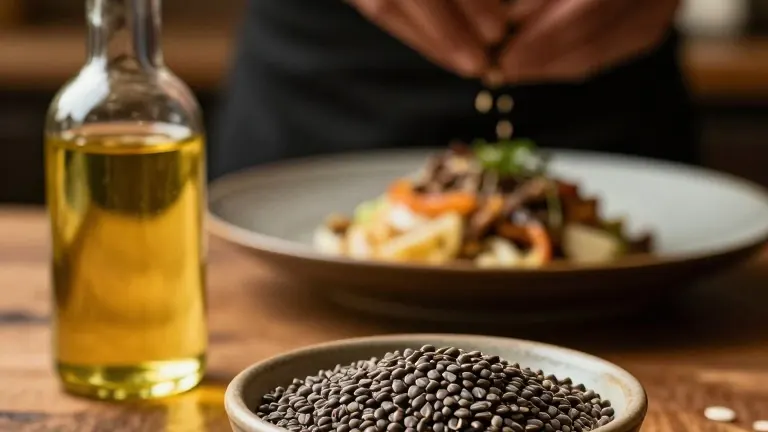
Atlanta chefs are using benne seeds in a wide range of applications. At Fawn Wine & Amaro, the kitchen uses the seeds in local cocktails and as a garnish for savory plates. Chef Deed Dorey at B-Side incorporates the seeds into pastries and uses them as a finishing element for dishes. "It's simply more complex flavor and it's a more complex flavor in general," Dorey said. "The way you use it, you get a more complex flavor than just sesame."
Local farmers are also playing a key role in bringing the seed back. Benne seeds are grown in Georgia and the surrounding Southeast. The seeds are used in cooking, for their oil, and as a base for sauces. Farmers note that the seed has a long history in the region, having been cultivated since the early days of American agriculture. Today, these seeds are available from local farms and are being integrated into the daily operations of many independent restaurants.
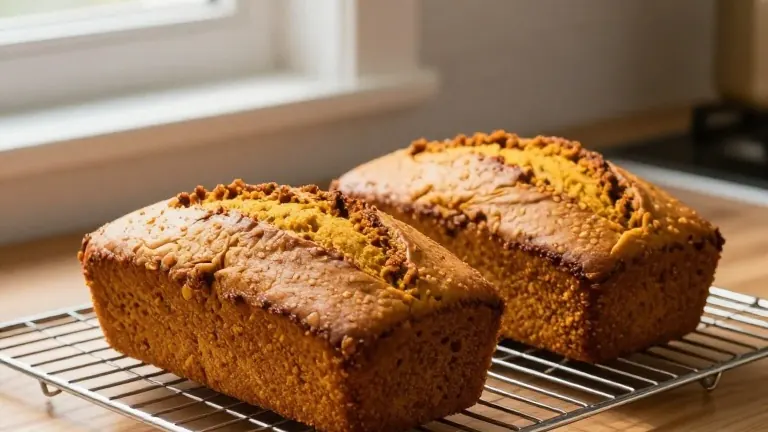
Several establishments in the Atlanta area, including parts of Cobb County and neighboring districts, now feature benne seeds in their offerings. Staplehouse uses the seeds in baked goods and as a topping for salads. The Deer and the Dove serves the seeds in grain bowls and as a garnish for meat dishes. Little Tart incorporates the seeds into its pastry menu, using them in cookies and tarts. These restaurants cite the seed's unique flavor and nutritional benefits as reasons for its inclusion.
The adoption of benne seeds is part of a larger trend in the food industry to use heritage ingredients. Chefs are looking for ways to differentiate their menus and connect with the historical roots of Southern cuisine. The seeds are available from local farms and are being used in a variety of dishes, from savory main courses to sweet desserts. This trend is expected to continue as more restaurants seek to offer unique and locally sourced ingredients.
The seeds are also being used in the production of oils. Some restaurants press the seeds to create a flavorful oil that is used in dressings and marinades. This oil has a distinct nutty taste that sets it apart from other cooking oils. The use of benne seeds in both whole and pressed form allows chefs to incorporate the ingredient in multiple ways throughout a meal.
As the seed gains popularity, more farmers in Georgia are beginning to grow it. The increased demand from restaurants has led to a renewed interest in the crop. Local producers are working with chefs to develop new recipes and applications for the seed. This collaboration is helping to establish benne seeds as a staple in the modern Southern diet.
Source: Atlanta Journal-Constitution · original report published
More Culture · Atlanta news · Report a business · Got a Story?