Federal judges probe Trump's DC construction plans as midterms approach
Two lawsuits challenge a golf course closure and a 250-foot arch, testing the limits of presidential power over federal land.
By Isabella Castillo ·
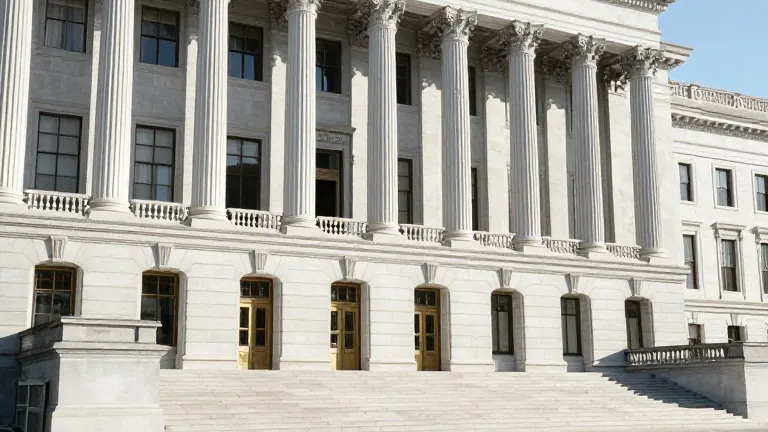
Two separate federal lawsuits are currently challenging the Trump administration's plans to alter the physical landscape of the National Mall. Both cases involve major construction projects located within three miles of each other, and both have drawn sharp scrutiny from judges questioning the urgency and legal basis of the executive orders.
The first dispute centers on the East Potomac Golf Links, a historic course near the National Mall. President Donald Trump announced via Truth Social starting October 18 that the park would close for 15 months to be reconfigured into a world-class facility. Construction was set to begin on November 15. A Justice Department filing confirmed the plans on Wednesday, stating that the National Park Service would submit renderings designed by Tom Fazio to the National Capital Planning Commission.
U.S. District Judge Ana Reyes questioned Associate Attorney General Stanley Woodward Jr. about the timeline. During the hearing, Woodward described the plans as new, though he later admitted that tree cutting had already occurred earlier in the month. Reyes noted the discrepancy, calling it a "news flash," and indicated she would appoint a special master to investigate the administration's statements to the court. She previously read the code of conduct to government attorneys regarding the presentation of false information after officials from the Interior Department and National Park Service could not confirm the plans' existence in earlier sessions.
In a second case heard in the same building, U.S. District Judge Tanya Chutkan considered a motion to halt construction on a proposed memorial arch. The structure is designed to be 250 feet tall, making it 100 feet taller than the Statue of Liberty from base to torch. A group of veterans and an architectural historian sued, arguing that Congress must endorse the project before construction begins as early as November 5.
The plaintiffs requested a preliminary injunction, arguing that the public interest opposes allowing the defendants to proceed quickly. They feared the administration would render the arch a fait accompli before a final court determination. The legal conflict reflects a wider test of executive authority, according to legal experts.
David Super, a law professor at Georgetown University Law Center, noted that past administrations generally attempted to act within legal boundaries. He stated that the current approach, which assumes federal courts cannot stop certain actions, may cause long-term damage to the country by proceeding with projects that are indisputably illegal.
Source: Bangor Daily News