
Clocks Fall Back Sunday, Sleep Cycles Adjust Over Days
Daylight saving time ends at 2 a.m. Nov. 1, and clinicians say bodies need three to seven days to catch up.
By Isabella Castillo ·
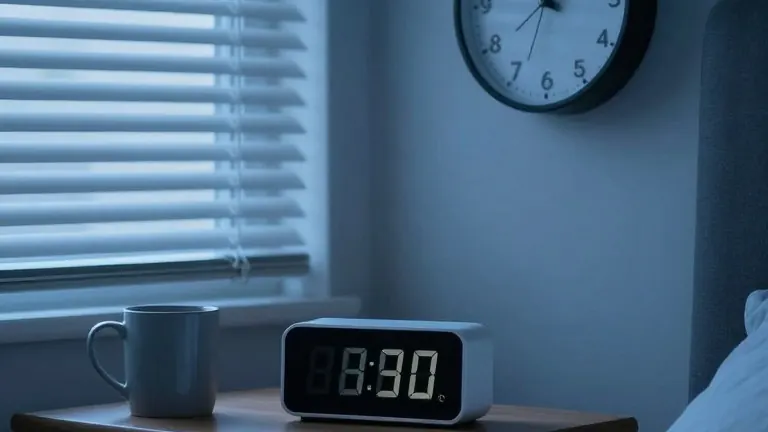
Daylight saving time ends at 2 a.m. Sunday, Nov. 1, and the shift takes three to seven days for the body's internal clock to adjust, according to Dr. Jan Miller, an Athens-based licensed psychologist with Thriveworks.
When clocks revert to standard time, people gain an hour of sleep on paper. The change still moves the body's circadian rhythm, the cycle that governs sleep, hormone release, and body temperature in response to light and dark. Miller said people often notice the November shift more than the spring one because it arrives with colder weather and darkness falls an hour earlier.
"The biggest challenge for people is sleep disruption. It takes, on average, anywhere from three to seven days for our bodies to adjust to time shifts," Miller said.
Ghazala Quraishi, M.D., of Crescent Neurology and Sleep, said light drives the timing of sleep. "We're used to waking up at a certain time and going to sleep at a certain time, and light is the biggest modulator of sleep," Quraishi said. The shift in morning and evening light changes when the body releases melatonin, which cues sleep, and cortisol, which cues alertness and stress response.
Miller said the November change lands at the start of the holiday season, when schedules tighten and stress rises. She said some people experience sleep loss, changes in mood, and drops in energy. "People really start feeling the winter blues this time of year, which can be challenging if you have seasonal affective disorder or anxiety," Miller said. Sleep disruption can also affect appetite, she said, driving cravings for carbohydrates and comfort foods.
Miller suggests moving bed and wake times earlier by 20 to 30 minutes in the days before Nov. 1. Shifting evening meals, workouts, and wind-down routines earlier works the same way, she said. She also recommends advancing the timing of daily prescriptions such as oral contraceptives or heart medications by 20 to 30 minutes for a few days ahead of the change. For children, an earlier bedtime in the days before the shift can help them adjust.
After Nov. 1, sunset arrives an hour earlier. Both Miller and Quraishi recommend light exposure early in the day to blunt grogginess and mood dips. Quraishi said a phototherapy lamp used for 20 minutes in the morning can serve that purpose. "Using a lamp for 20 minutes first thing in the morning can help wake you up, keep you alert throughout the day, and help a bit with that depression when the nighttime darkness hits," Quraishi said.
Miller said people who notice irritability, anxiety, or sleep that has not settled after a week or two should talk to a physician or mental health provider. The time change ends at 2 a.m. Sunday, Nov. 1, when clocks move back one hour.
Source: Rough Draft Atlanta · original report published