Midterm candidates face voter demand for tighter AI controls
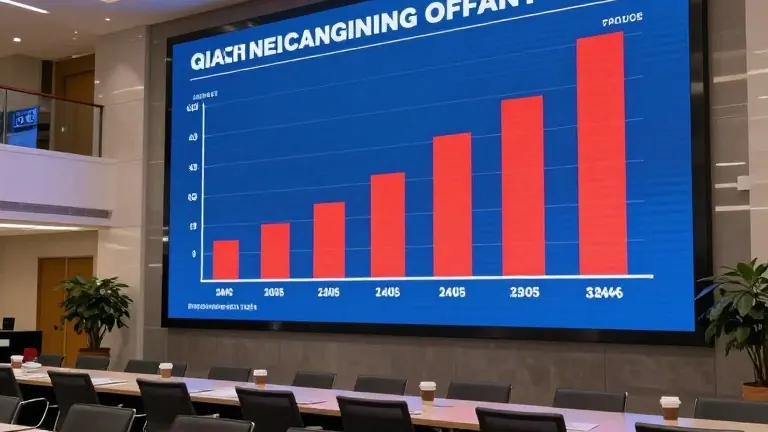
Polls show 90% of Iowa and Ohio voters want stricter rules, shifting the political tone on technology from positive to negative.
By Matthew Turner ·
The political tone surrounding artificial intelligence has shifted sharply in the final months of the midterm campaign cycle. Chris Borick, a political science professor at Lehigh University, said AI is now a major issue in several races. He noted that the rhetoric has changed compared to how politicians have treated other new technologies in the past.
Traditionally, candidates viewed tech as a positive force for the political economy. Borick said that view flipped in the last year. He observed a more neutral, and sometimes negative, political stance on AI in both red and blue states. This change mirrors growing public concern about the technology's impact on society, the economy, and local communities.
The shift has forced candidates to adjust their messaging. Shobita Parthasarathy, a public policy professor at the University of Michigan, said Republicans have maintained a close relationship with AI companies for over a year. She argued this proximity influences how the party discusses the topic. Parthasarathy said Republicans tend to focus on cost issues while avoiding wider debates. She noted they are less likely to support a moratorium on development.
Democrats and Republicans are both tapping into voter concerns, but their approaches differ. Parthasarathy said the Republican strategy aims to limit the scope of the discussion. This contrasts with a potentially more expansive critique from other parties. The divergence suggests the issue is not a simple partisan divide but a complex negotiation of policy positions.
The debate has implications for local governance as well. Borick said conservatives and liberals often align on local issues, such as opposition to new data centers. He said this shared concern can lead to unexpected political realignments at the local level. These coalitions form around specific community impacts rather than national party platforms.
Voter sentiment supports the shift in candidate messaging. A recent poll of Iowa and Ohio voters, published online for SEMAFOR, found the vast majority want greater regulation of artificial intelligence. The data indicates a strong public preference for tighter controls as the election approaches.
Candidates are now weaving these regulatory demands into their final pitches to voters. The issue has moved from the periphery to the center of the political conversation. It stands as a defining topic for the upcoming midterm elections.
Source: WQCW