
1 in 4 Americans with opioid use disorder miss out on methadone
New data shows private equity firms now control over a third of U.S. methadone clinics without expanding capacity or building new sites.
By Joseph Brooks ·
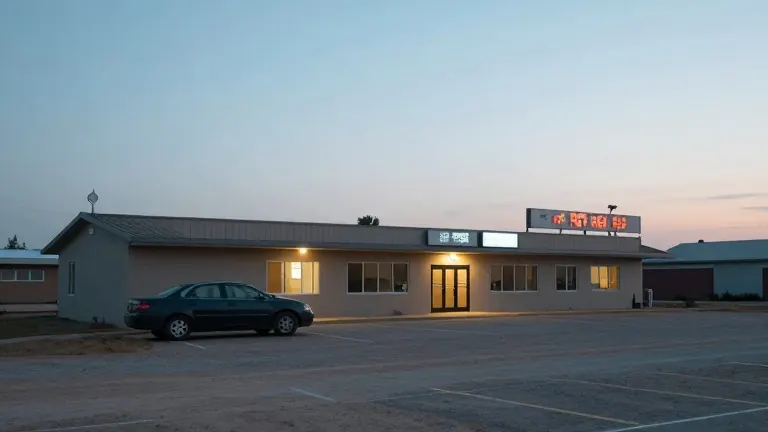
Only 22 percent of people with opioid use disorder in the United States ever receive methadone, according to federal estimates. The medication is one of the most effective treatments for the condition. It cuts the risk of a fatal overdose by roughly half. Despite its efficacy, access remains limited for many patients across the country.
The gap between availability and usage is stark. More than 120 people die from opioid overdoses every day in the U.S. Methadone has been a standard treatment for more than five decades. However, the rules surrounding its distribution have changed very little. For decades, only government-approved clinics, known as opioid treatment programs, could dispense the drug. Regular doctors and pharmacies were excluded from the process.
These clinics often require patients to show up in person every single day. Staff must observe the patient taking the medication. Strict limits govern how much methadone a patient can take home. In rural communities, the average one-way drive to a clinic approaches 50 minutes. The rigid schedule and travel requirements create a barrier for many working families.
Private equity firms have moved aggressively into this market. Over the past two decades, these firms have invested more than $1 trillion in U.S. healthcare. They now own more than 400 hospitals and oversee doctors in more than a quarter of the nation’s emergency rooms. In the opioid treatment sector, they have used a strategy of buying large clinics and then acquiring smaller nearby ones. This approach allows a single firm to control an entire region’s supply of the medication.
Research from Brown University, the University of Pittsburgh, and RAND indicates that private equity has acquired over one-third of methadone clinics in the U.S. Despite this market share, the investments have not expanded the availability of the drug. The firms have also not constructed new facilities. Within two years of a private equity firm entering a county, it typically controls 67 percent of the local methadone market. In more than a quarter of those counties, a single firm holds the entire market.
The data shows that methadone shipments and opioid-related deaths remained unchanged during the study period. The firms are buying existing capacity rather than building new sites. As of October 2026, there are 1,572 methadone clinics registered with the Centers for Medicare & Medicaid Services. Thirty-five percent of these providers are affiliated with private equity firms. In 19 states and the District of Columbia, more than half of the providers have private equity owners.
Community Medical Services, known as CMS, illustrates this trend. The company operates in several states with private equity backing. In Montana, CMS owns all four methadone clinics. In North Dakota, it owns three of the state’s four clinics. In Arizona, it owns the clinic in Sierra Vista where patient Amber Titus receives her treatment. Titus, 38, lives in Bisbee Junction with her husband and two young children. She drives 45 minutes three times a week to get her dose.
Titus started taking methadone in early 2025. The clinic in Sierra Vista opens at 4:30 a.m. on weekdays and closes before midday. She must arrive at work in Bisbee by 9 a.m. Missing an appointment by just 10 to 15 minutes can mean losing a dose. When her car was totaled in August, she relied on Medicaid for rides. The drivers were late every day, and she missed her dose for the entire week. She described the medication as a godsend, but the logistics of getting it are a daily struggle.
The debate over methadone access is now in Congress. Lawmakers are weighing the Modernizing Opioid Treatment Access Act 2.0. The bill would allow regular doctors to prescribe methadone and pharmacies to dispense it. This would break the decades-old rule that restricts the drug to specialized clinics. The bill is currently under consideration by the Energy and Commerce and Judiciary committees. The current congressional term ends in January 2027.
Rep. Donald Norcross, D-N.J., is a sponsor of the bill. He recalled seeing a single track of footprints in a snowstorm leading to a methadone clinic. He said he realized that for some neighbors, life revolves around getting to that building every single day. Patient advocacy groups and medical societies support the bill. The American Association for the Treatment of Opioid Dependence, which represents methadone clinics, opposes it. The group argues that expanded access could increase the risk of diversion and overdose.
Source: Cobb County Courier · original report published